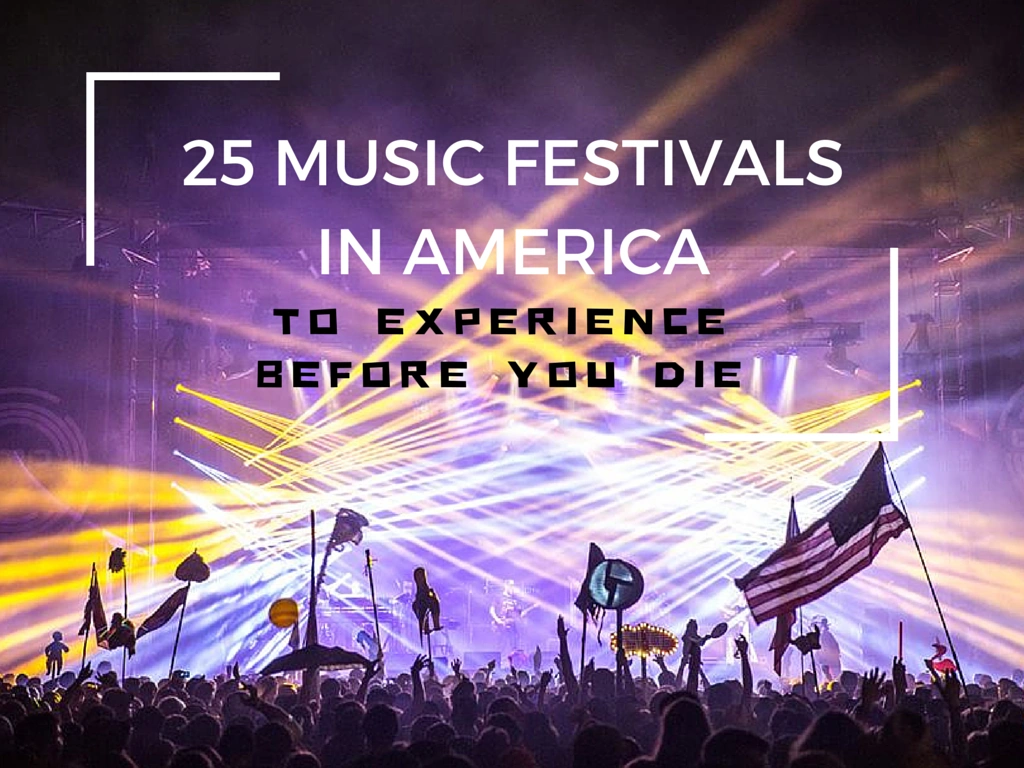
Top Music Festivals in America: A Definitive Guide to Evaluating Quality
The American music festival landscape has undergone a profound metamorphosis, evolving from its mid-twentieth-century origins in folk and jazz gatherings into a multi-billion-dollar industry that serves as a cornerstone of modern cultural consumption. What was once a collection of niche, community-driven experiences has transitioned into a highly professionalized ecosystem where infrastructure, brand identity, and logistical precision are as vital as the musical lineup. This shift reflects a broader societal movement toward “experience-based” leisure, where the value of an event is measured not just by the performances themselves, but by the immersion, connectivity, and cultural resonance of the environment.
However, the rapid institutionalization of this sector has introduced significant complexity and, occasionally, a dilution of the very elements that made these gatherings meaningful. The proliferation of standardized, corporate-led festivals has blurred the lines between authentic creative expression and manufactured product. Navigating this landscape effectively, distinguishing between events that offer genuine cultural value and those that prioritize high-density profit margins, requires a shift from passive participation to informed, critical observation.
Understanding “top music festivals in America.”
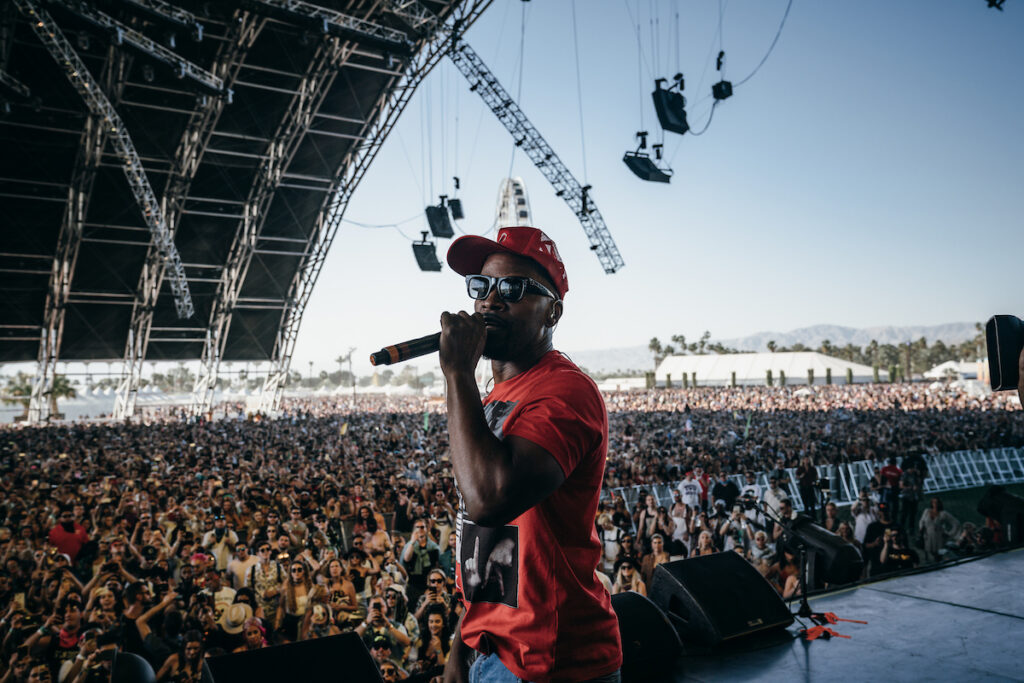
The discourse surrounding the top music festivals in America is frequently obstructed by a lack of standardization in how “value” and “prestige” are defined. Because there is no singular governing body or industry-wide grading metric, the title of “top” is often applied by media outlets based on attendance volume, social media reach, or sheer marketing spend. This creates a significant misalignment for the attendee: an event with a massive, commercially optimized lineup may satisfy the desire for a spectacle, but it may fail to provide the qualitative experience of a sense of community, the intimacy of the environment, and the narrative cohesion that defines the most resonant cultural gatherings.
A common misunderstanding is the assumption that larger, more “famous” festivals are inherently superior to smaller, independent, or genre-focused events. In reality, the “top” festivals are those that achieve a precise equilibrium between scale and execution. A truly elite festival is one where the operational “backend” of the flow of traffic, the quality of sound engineering, the safety protocols, and the availability of essential resources are seamless. The moment the scale of an event outpaces its infrastructure, the luxury of the experience begins to degrade, transforming a curated immersion into an endurance exercise.
Deep Contextual Background: The Evolution of American Festival Culture
The history of American music festivals is a lineage of tension between the bohemian and the bureaucratic. From the foundational Newport Jazz Festival of 1954, which established the template for the outdoor multi-artist event, to the chaotic, transformative ethos of 1960s gatherings like Woodstock and Monterey Pop, the industry evolved as a reaction against the constraints of traditional indoor concert halls. As the 1990s and 2000s arrived, this “counter-culture” spirit was absorbed by professional event management firms, leading to the creation of the hyper-organized, destination-based festivals that dominate the market today. This evolution represents a shift from “spontaneous gathering” to “engineered experience.”
Conceptual Frameworks and Mental Models
-
The Scalability-Authenticity Paradox: As an event grows to maximize reach, the ability to facilitate a personalized or intimate experience diminishes. The most successful festivals manage this through “zoning,” the creation of distinct experiential micro-climates within the larger venue.
-
The Operational Floor Model: Every festival has a baseline operational requirement: sanitation, security, and traffic flow. If an event fails to meet this “floor,” no amount of high-tier talent will salvage the guest experience.
-
The Cultural Resonance Matrix: Festivals exist on a spectrum between “Lifestyle Spectacle” (designed for social visibility) and “Curatorial Sanctuary” (designed for deep artistic engagement). Understanding where a festival sits on this spectrum is the key to managing expectations.
-
The Lifecycle of Growth: Festivals follow a predictable arc: The “Discovery” phase (high innovation, low infrastructure), the “Scaling” phase (higher talent budgets, systemic pressure), and the “Institutional” phase (optimization for revenue, standard-setting).
Categorizing Operational and Experiential Models
| Category | Primary Focus | Suitability |
| Mega-Scale Multi-Genre | Spectacle, Global Talent | High Socialization |
| Genre-Specific Niche | Community, Technical Detail | Deep Engagement |
| Boutique/Independent | Atmosphere, Curation, Art | Introspective Experience |
| Urban/City-Integration | Convenience, Local Economy | Minimalist/Efficient |
Choosing between these requires an assessment of your personal threshold for complexity. Mega-scale events require high-level logistical foresight, whereas boutique events prioritize the sensory and social “vibe” over technical spectacle.
Detailed Real-World Operational Scenarios
-
The “Crush” Factor: High-density festivals in constrained urban parks often face “bottleneck” events where crowd movement stalls. Failure mode: Negative guest sentiment and increased safety risks. Second-order effect: Long-term reputational damage to the festival organizer.
-
The Infrastructure Collapse: In remote, nature-based venues, extreme weather can render standard roads unusable. Mitigation: A robust, multi-stage evacuation and weather-resilience plan that is visible to staff, if not always to the public.
-
The Talent-Programming Mismatch: A festival that prioritizes “star power” over “flow” (e.g., booking acts that attract mutually exclusive audiences at the same time). This leads to dangerous crowd density shifts between stages.
Planning, Cost, and Resource Dynamics
| Resource Type | Investment Priority | Variability |
| Logistics/Safety | Highest (Non-negotiable) | Low |
| Artist/Programming | High (Primary Driver) | High |
| On-site Amenities | Moderate | Moderate |
The cost of attending the top music festivals in America is often a reflection of the “Experience Premium,m” the cost of orchestrating complex logistics (shuttles, security, sanitation, cooling) in environments that were not originally designed to host thousands of people.
Tactical Strategies and Support Systems
-
The Infrastructure Audit: Before booking, investigate the venue’s official site map. Note the distance between stages. If the schedule forces you to cross the entire site in 15 minutes, you are looking at a logistical failure.
-
The “Industry-Insider” Check: Observe how the festival communicates through its app or email updates. High-quality operators provide granular, clear, and proactive information about scheduling, safety, and amenities.
-
The Environmental Assessment: For outdoor summer festivals, “Heat Mitigation” is the true test of organizational quality. Look for documented “Water Refill” and “Shade Structure” policies.
-
The Secondary Market Safety: Use only primary, festival-sanctioned ticket exchanges to avoid the systemic risk of fraud and to ensure you have a legitimate claim to entry if the event’s scheduling is altered.
The Risk Landscape: Failure Modes
-
The Reputation Trap: An event that relies on its “brand” while neglecting the actual quality of the guest experience (e.g., long lines, poor sound, lack of water). Eventually, the guest sentiment collapses, leading to a downward spiral of attendance.
-
Permitting Fragility: Many festivals operate on public land under restrictive, year-to-year permits. A single negative incident can lead to the permanent loss of a venue, a compounding risk for events that have invested heavily in a specific location’s infrastructure.
-
The “Headliner-Dependency” Failure: Festivals that hinge their entire financial viability on 2–3 major artists are structurally fragile. If one headliner cancels, the entire economic model and the trust of the attendees risk collapse.
Governance, Maintenance, and Long-Term Adaptation
-
Review Cycles: Elite festivals conduct an internal “Post-Mortem” after each cycle, analyzing crowd density data, sanitation usage, and staff/security performance.
-
Adjustment Triggers: Successful operators adjust their attendance caps based on the “perceived quality” of the prior year’s experience rather than chasing maximum revenue.
-
Layered Checklist: For any festival planning: 1. Verify transportation-to-entry logistics, 2. Review the venue’s “capacity-to-infrastructure” ratio, 3. Check for specific safety policies regarding extreme weather and health.
Measurement, Tracking, and Evaluation
-
Leading Indicator: The quality of the “Pre-Festival Guide.” If the communication is opaque, the on-site logistics are often chaotic.
-
Qualitative Signal: The “Audience Behavior Pattern.” In high-quality festivals, the audience moves with a sense of purpose and comfort. In failing festivals, there is palpable anxiety and “milling” at bottlenecks.
-
Quantitative Signal: The “Dwell Time per Dollar.” How much time are you actually spending enjoying the music vs. standing in a service queue?
-
Documentation Example: The “Festival Performance Log”—a brief record of your experience across three core metrics: Access/Logistics, Sound/Technical Quality, and Environmental Comfort.
Deconstructing Misconceptions
-
“Headlines make the festival”: A lineup brings the crowd, but the operations keep them there. A great festival is 70% infrastructure and 30% curation.
-
“Sold-out is always a success”: A sold-out festival can be an operational failure if the infrastructure cannot support the density.
-
“Festivals are just for the music”: They are social and cultural laboratories. The “scene” is as much a part of the festival as the stage.
-
“All festivals are basically the same”: The difference between a high-end, curated festival and a generic commercial gathering is as vast as the difference between a fine-dining restaurant and a fast-food chain.
Ethical and Contextual Considerations
The growth of the top music festivals in America exerts significant environmental pressure on the host regions. Ethical participation involves supporting festivals that prioritize sustainability, such as those that provide robust recycling/composting, utilize renewable energy for stages, and promote local public transit. By selecting festivals with clear environmental commitments, attendees signal the industry that stewardship is a mandatory component of the “prestige” model.
Conclusion
The pursuit of the top music festivals in america destinations requires an analytical approach that treats the event as a complex, temporary city. Success for the attendee lies in recognizing that the most memorable experiences are not necessarily the largest or the most famous, but those where the “Festival Architecture,” the balance of safety, accessibility, sound, and curation, is executed with high-level professional intent. By moving past the superficial allure of artist lineups and engaging with the operational, logistical, and historical realities of these events, one can ensure that their time and resources are directed toward gatherings that provide genuine, lasting cultural value. In the final analysis, the best festivals are those that master the invisible systems, allowing the music to become the singular focus of the experience.